















Industries We Work With
At Brayne Digital, we believe that every industry has unique challenges and opportunities in the digital space. Over the years, we’ve had the privilege of partnering with a diverse set of clients across multiple sectors, refining strategies that are tailor-made to each one’s goals.
Industries We Serve
Real results from Brayne Digital strategies, outcomes, and the work behind them. Sorted by industry, service, and outcomes.
E-commerce & Retail
Boost sales with optimized websites, SEO, and conversion-driven campaigns.
Real Estate & Property Management
Generate leads with property websites, listings, and local SEO.
Healthcare & Wellness
Build trust with secure websites, booking systems, and content marketing.
Hospitality & Tourism
Increase bookings through engaging websites, SEO, and social campaigns.
Construction & Home Improvement
Showcase projects and capture leads with local SEO and digital ads.
IT & Technology
Launch, scale, and market tech products with targeted digital strategies.
Finance & Professional Services
Grow client trust with professional websites, SEO, and lead generation.
Education & Training
Promote courses with SEO, email campaigns, and LMS integrations.
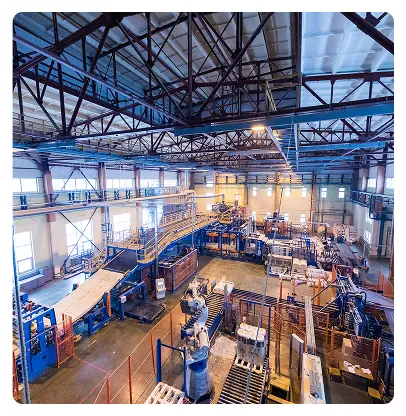
Manufacturing & Industrial
Reach B2B buyers with optimized product sites and targeted campaigns.
Jewelry & Luxury Goods
Highlight elegance with premium web design, SEO, and influencer marketing.
Food & Beverage
Drive orders and foot traffic with menus, SEO, and social media.
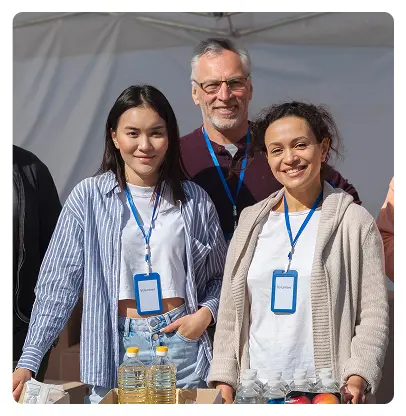
Nonprofit & Community Organizations
Engage supporters with donation pages, storytelling, and email marketing.
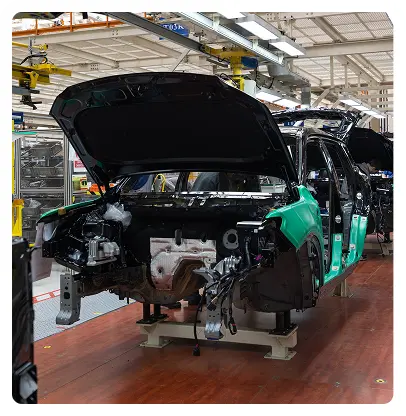
Automotive
Showcase vehicles and services with SEO, ads, and online booking.
Beauty & Lifestyle
Build brand presence with stylish websites, e-commerce, and social media.
Banking
Build brand presence with stylish websites, e-commerce, and social media.
Why Choose Us
At Brayne Digital, our mission is simple yet profound: to empower businesses, both big and small, with the digital tools and strategies they need to succeed in today’s ever-evolving online landscape. We believe that every brand has a unique story to tell, and we are here to help you tell it in the most captivating and compelling way possible.
Cutting-Edge Innovation
We stay ahead of digital trends and technologies to deliver solutions that keep your business competitive and relevant in an ever-evolving marketplace.
Deep Industry Knowledge
Our team brings years of experience across diverse sectors, understanding the unique challenges and opportunities within your industry.
Client-Centric
Your vision and goals drive everything we do. We listen, adapt, and create strategies that align with your business objectives and aspirations.
Reliability
We pride ourselves on delivering quality work on time and within budget.
Measurable Results
We believe in transparency and accountability. Every campaign and project is tracked with clear metrics that demonstrate real impact and ROI.
Long-Term Commitment
We're not just a service provider, we're your digital partner. We build lasting relationships focused on sustainable growth and continued success.
Why Partner with Brayne Digital Across Industries?
Brayne Digital Marketing Agency partners with businesses locally and internationally to deliver impactful digital solutions. From website design and development to SEO and SEM, we create strategies that drive real results and maximize your marketing investment.
Trusted by brands, loved by clients.
SEO vs AEO vs GEO: The Complete Guide to Modern Search Visibility in the AI Era
Search has changed dramatically over the last few years.
For more than two decades, businesses focused almost exclusively on Search Engine Optimization (SEO) to improve rankings in Google and other traditional search engines.
Today, however, customers are increasingly finding information through AI-powered experiences such as Google AI Overviews, ChatGPT, Perplexity, Microsoft Copilot, Gemini, and other conversational search tools.
Instead of scrolling through ten blue links, users now receive direct answers generated by artificial intelligence.
This shift has introduced new terms into digital marketing:
- SEO (Search Engine Optimization)
- AEO (Answer Engine Optimization)
- GEO (Generative Engine Optimization)
Many business owners wonder:
Is SEO becoming obsolete?
The short answer is no.
SEO remains the foundation of online visibility. AEO and GEO build upon that foundation to help search engines and AI systems better understand, interpret, and reference your content.
Rather than competing strategies, SEO, AEO, and GEO work together to improve your visibility across both traditional search engines and AI-powered discovery platforms.
In this guide, we’ll explain what each approach means, how they differ, where they overlap, and what your business should do to remain visible in the future of search.
What Is SEO?
Search Engine Optimization (SEO) is the practice of improving a website so search engines can discover, understand, index, and rank its content for relevant searches.
The objective is to increase organic traffic from search engines like Google and Bing by making your website more useful, technically accessible, and authoritative.
SEO is much broader than simply ranking for keywords.
It includes several interconnected disciplines.
Technical SEO
Technical SEO ensures search engines can effectively crawl and index your website.
It includes:
- Crawlability
- Indexability
- XML sitemaps
- Robots.txt configuration
- Canonical tags
- Structured internal linking
- HTTPS security
- Mobile responsiveness
- Core Web Vitals
- Website speed
- Clean URL structures
Without a technically healthy website, even outstanding content may struggle to perform.
On-Page SEO
On-page SEO focuses on optimizing individual pages.
This includes:
- Title tags
- Meta descriptions
- Heading hierarchy
- Keyword relevance
- Image optimization
- Internal linking
- Content organization
- Search intent alignment
Off-Page SEO
Search engines also evaluate how other websites reference your business.
Off-page SEO includes:
- Backlinks
- Brand mentions
- Digital PR
- Industry citations
- Business directories
- Reviews
- Partnerships
These external signals help establish credibility and authority.
Content SEO
Content remains the heart of SEO.
Successful content should:
- Solve real customer problems
- Demonstrate expertise
- Match search intent
- Cover topics comprehensively
- Provide original insights
- Stay accurate and up to date
Google consistently emphasizes creating helpful, reliable, people-first content.
What Is AEO (Answer Engine Optimization)?
Answer Engine Optimization (AEO) focuses on making content easy for search engines, voice assistants, and AI-powered interfaces to extract and present as direct answers.
Instead of encouraging users to click through multiple pages, answer engines attempt to deliver the most relevant response immediately.
AEO helps your content become easier to understand and reuse within those answer experiences.
Why AEO Matters
People increasingly search by asking complete questions.
Examples include:
- What is local SEO?
- How much does website development cost?
- Is WordPress good for small businesses?
- How long does SEO take?
- What is white-label marketing?
Rather than returning only links, search engines now often provide summarized answers.
AEO improves your chances of being included in these responses.
Best Practices for AEO
Strong AEO content typically includes:
- Direct answers near the beginning of the page
- Question-based headings
- Definitions
- Step-by-step instructions
- Comparison tables
- Bullet-point summaries
- Frequently Asked Questions
- Logical page structure
- Plain language
- Supporting detail beneath concise answers
The goal is clarity.
An answer should satisfy the reader while encouraging them to continue exploring the page.
What Is GEO (Generative Engine Optimization)?
Generative Engine Optimization (GEO) is an emerging discipline focused on improving how AI systems understand, reference, summarize, and potentially cite your content.
Unlike traditional search engines that primarily rank webpages, generative AI systems create entirely new responses by synthesizing information from multiple trusted sources.
The objective of GEO is not simply ranking higher.
It is increasing the likelihood that AI systems recognize your business as a credible source of information.
Why GEO Is Becoming Important
Millions of people now use AI assistants to ask questions such as:
- Who are the best SEO agencies?
- Which CRM should a small business use?
- How do I improve my website?
- What’s the difference between Shopify and WooCommerce?
- Which digital marketing agency should I choose?
Instead of presenting a list of links, AI platforms generate comprehensive answers.
Businesses want their expertise, insights, and brand to be included where appropriate.
What GEO Focuses On
While no search engine has published a dedicated “GEO algorithm,” several characteristics appear consistently across AI-friendly content.
These include:
Clear entities
Strong topical authority
Original research
Expert insights
Consistent brand information
Comprehensive content
Credible references
High-quality external mentions
Accurate business information
Well-organized pages
The better AI systems understand your expertise, the more likely your content is to influence generated responses.
SEO vs AEO vs GEO: Understanding the Differences
Although the three disciplines overlap significantly, they each emphasize different outcomes.
SEO | AEO | GEO |
Improves visibility in traditional search engines | Optimizes content for direct answers | Improves visibility within AI-generated responses |
Focuses on rankings and organic traffic | Focuses on extracting accurate answers | Focuses on AI understanding and citation potential |
Includes technical SEO, links, UX, and content | Prioritizes clarity and structured responses | Prioritizes authority, entities, expertise, and topical depth |
Targets search engines | Targets search engines and answer engines | Targets generative AI systems |
Rather than replacing one another, these approaches reinforce each other.
How SEO, AEO, and GEO Work Together
Think of the relationship as a pyramid.
SEO Creates the Foundation
Without strong SEO:
Pages may not be crawled
Content may not be indexed
Websites may load slowly
Search engines may struggle to understand your content
Everything begins here.
AEO Makes Information Easy to Extract
Well-structured answers help:
Featured snippets
Voice assistants
Google AI Overviews
AI-powered search interfaces
Clear organization improves machine understanding.
GEO Builds Trust and Authority
Generative AI prefers information that appears:
Credible
Consistent
Original
Comprehensive
Well supported
Authority is earned over time through experience, expertise, reputation, and reliable publishing.
Does Google Recommend Separate AI Optimization?
Not exactly.
Google has not introduced a separate optimization framework specifically for AI search.
Instead, Google’s guidance continues to emphasize:
- Helpful content
- Technical accessibility
- Clear page structure
- Excellent page experience
- Accurate metadata
- Original information
- Trustworthy sources
The same fundamentals that have always supported strong SEO continue to benefit AI-driven search experiences.
This means businesses should avoid chasing shortcuts or “AI hacks.”
Long-term success comes from building genuinely useful websites.
How Businesses Should Adapt Their Content Strategy
Businesses preparing for the future of search should focus on creating content that works well for both humans and machines.
Answer Real Customer Questions
Identify the questions customers ask before making purchasing decisions.
Create dedicated pages that answer those questions thoroughly.
Build Topical Authority
Rather than publishing isolated articles, develop comprehensive content clusters around your core services and industries.
For example, an SEO agency might create resources covering:
- Technical SEO
- Local SEO
- Ecommerce SEO
- AI search
- Content marketing
- Schema markup
- Website speed
- SEO audits
The deeper your expertise, the stronger your topical authority becomes.
Demonstrate Real Experience
AI systems increasingly value original, experience-based information.
Include:
- Case studies
- Screenshots
- Real examples
- Project workflows
- Before-and-after results
- Practical insights
- Lessons learned
This makes your content more distinctive and more valuable than generic AI-generated articles.
Strengthen Your Brand Across the Web
Generative AI often evaluates multiple signals beyond your own website.
Strengthen your online presence through:
- Industry directories
- Guest articles
- PR campaigns
- Business profiles
- Partner websites
- Interviews
- Podcasts
- Conference presentations
- Customer reviews
Consistent brand references improve credibility.
Practical Action Plan for Businesses
If you’re unsure where to begin, follow these steps:
- Conduct a technical SEO audit.
- Improve website speed and Core Web Vitals.
- Create one comprehensive page for every major service.
- Add concise answers near the beginning of important pages.
- Organize content with logical headings and clear structure.
- Build supporting articles around customer questions.
- Publish original case studies and practical examples.
- Improve internal linking between related pages.
- Maintain consistent business information across the web.
- Earn high-quality mentions and backlinks from trusted sources.
- Regularly update content to keep it accurate and relevant.
These improvements strengthen SEO while naturally supporting AEO and GEO.
Common Misconceptions About SEO, AEO, and GEO
“GEO replaces SEO.”
False.
GEO builds upon the same technical and content foundations established by SEO.
“Schema guarantees AI citations.”
No.
Structured data helps search engines understand content, but it does not guarantee rankings, featured snippets, AI Overviews, or mentions in AI-generated responses.
“We need separate content for ChatGPT.”
Usually not.
High-quality, well-structured content created for your website can also support visibility in AI-powered search experiences.
“Short answers are enough.”
No.
Answer engines prefer concise responses, but they also value comprehensive explanations that provide context, evidence, and depth.
How Brayne Digital Helps Businesses Prepare for Modern Search
Search visibility is no longer limited to Google rankings.
Businesses need content that performs well across:
- Google Search
- Google AI Overviews
- ChatGPT
- Perplexity
- Microsoft Copilot
- Gemini
- Voice assistants
- Traditional search engines
At Brayne Digital, we help businesses build long-term search visibility through:
- Technical SEO audits
- Website optimization
- SEO strategy
- AI search readiness assessments
- Content planning
- Service page optimization
- Internal linking improvements
- Local SEO
- Structured content development
- Authority-building strategies
Our approach doesn’t chase trends.
We focus on sustainable improvements that help both people and machines understand your business.
FAQ
What is the difference between SEO, AEO, and GEO?
SEO improves visibility in traditional search engine results, AEO structures content for answer engines and featured responses, while GEO focuses on helping AI systems understand and reference your brand within generative search experiences.
Is SEO still important now that AI search is growing?
Absolutely. SEO remains the foundation of online visibility. AI systems still rely on accessible, well-structured, and trustworthy content to understand websites and generate accurate responses.
Does Google AI Overviews replace SEO?
No. Google AI Overviews build on Google’s existing search systems. Strong technical SEO, high-quality content, and clear website structure continue to play a significant role in visibility.
Can structured data guarantee AI citations?
No. Schema markup helps search engines interpret content more effectively, but it does not guarantee rankings, featured snippets, AI Overviews, or citations within AI-generated answers.
Should businesses create separate content specifically for ChatGPT or Gemini?
In most cases, no. Businesses should focus on publishing accurate, comprehensive, and well-organized content on their own websites while strengthening their authority through trusted external references.
What types of content work best for Answer Engine Optimization?
Question-and-answer content, definitions, comparison articles, how-to guides, FAQs, checklists, and step-by-step tutorials tend to perform well because they provide clear, structured information that answer engines can easily interpret.
How long does it take to improve SEO, AEO, and GEO performance?
Results depend on your website’s technical condition, competition, industry, authority, and publishing consistency. Sustainable improvements typically occur over several months through ongoing optimization rather than one-time changes.
How can local businesses benefit from SEO, AEO, and GEO?
Local businesses can improve visibility by creating location-specific service pages, maintaining accurate business profiles, earning positive customer reviews, answering common customer questions, and publishing authoritative local content that demonstrates expertise.
SEO, AEO, and GEO should not be viewed as competing marketing strategies.
They are complementary approaches that help your business become more discoverable across an increasingly diverse search landscape.
SEO ensures your website can be found.
AEO makes your information easier to answer.
GEO helps AI systems recognize your expertise and understand your brand.
Businesses that invest in technically sound websites, helpful content, clear structure, original expertise, and consistent authority signals will be well positioned for both today’s search engines and tomorrow’s AI-driven experiences.
If you’re ready to improve your visibility across Google Search, AI Overviews, ChatGPT, Perplexity, Gemini, and other emerging AI platforms, Brayne Digital can help assess your current website and develop a strategy tailored to your business goals.
How to Make Your Business More Visible in ChatGPT, Google AI Overviews and Perplexity
Search visibility is no longer limited to ranking on the first page of Google.
Potential customers are now using ChatGPT, Google AI Overviews, Google AI Mode, Perplexity and other AI-powered platforms to research products, compare service providers, understand complex topics and decide which businesses deserve their attention.
A customer may no longer search only for:
Digital marketing agency near me
They may instead ask:
Which digital marketing agency is suitable for a growing Australian business that needs SEO and website development?
The AI platform may respond with a generated summary, a list of recommendations, cited sources or links for further research.
That creates a new commercial challenge.
Your business does not only need to rank. It also needs to be understood, verified and considered relevant enough to be mentioned, cited or recommended by AI-powered search systems.
This guide explains how to improve your business visibility in AI search, what influences inclusion in generated answers, which tactics are worth prioritising and which so-called AI optimisation shortcuts should be treated with caution.
Direct Answer: How Can a Business Become More Visible in AI Search?
A business becomes more visible in AI search by publishing useful and technically accessible information that can be verified across its website and credible third-party sources.
The most important steps are:
- Clearly explain who your company is and what it does.
- Create comprehensive pages for your main services.
- Answer specific questions customers ask before making a purchase.
- Publish original experience, examples, processes and evidence.
- Keep business information consistent across the web.
- Earn genuine links, reviews and mentions from relevant organisations.
- Make important pages crawlable and indexable.
- Use structured data that accurately reflects visible page content.
- Measure qualified enquiries and revenue, not just brand mentions.
There is no guaranteed method for appearing in ChatGPT, Google AI Overviews or Perplexity. Each platform retrieves, interprets and presents information differently, and inclusion can change depending on the query, location, context and available sources.
What Does AI Search Visibility Mean?
AI search visibility refers to how often and how accurately your business, website, services, products or expertise appear in AI-generated search experiences.
This can include:
- Being cited as a source in an AI-generated answer
- Having a webpage linked from Google AI Overviews
- Appearing in a ChatGPT search response
- Being referenced in a Perplexity answer
- Having your business mentioned in an AI-generated comparison
- Being recognised as a provider within a location or industry
- Having your content summarised in response to a buyer question
- Receiving referral traffic from an AI search platform
Visibility does not always mean the AI system will recommend your company directly.
In some cases, it may use your website as a supporting source. In others, it may mention your brand, quote your data, reference your process or link to one of your guides.
The goal is to make your business easy to discover, understand and verify.
How ChatGPT, Google AI Overviews and Perplexity Differ
Although these platforms all generate answers, they do not operate in exactly the same way.
ChatGPT Search
ChatGPT can search the web and provide answers with source links when current online information is relevant. OpenAI states that publishers can allow its search crawler, OAI-SearchBot, to access their content, and referral traffic from ChatGPT search can be measured through web analytics.
This means businesses should make sure important public pages are accessible and not unintentionally blocked from relevant search crawlers.
However, allowing access does not guarantee that a page will be selected, cited or recommended.
Google AI Overviews and AI Mode
Google’s generative search features are connected to its existing search ranking and quality systems.
Google’s official guidance states that conventional SEO best practices remain relevant to AI Overviews and other generative search experiences. Pages generally need to be accessible, indexable and eligible to appear in Google Search before they can be considered for these AI features.
Google also advises businesses to focus on original, valuable and non-commodity content rather than creating special AI-only pages or relying on unsupported technical hacks.
Perplexity
Perplexity combines web search with generated responses and frequently displays citations alongside its answers.
Its search technology uses a continuously refreshed web index to return relevant sources and support generated summaries.
This makes clear page topics, trustworthy information, strong source relevance and useful content especially important.
A page that ranks for an extremely broad keyword may not be the best source for a narrow Perplexity question. A focused page that directly answers the question may have a better chance of being considered relevant.
1. Why Traditional SEO Still Matters
AI visibility does not replace SEO.
It builds on it.
Before an AI-powered search system can reference your website, the page generally needs to be:
- Publicly accessible
- Crawlable
- Understandable
- Relevant to the question
- Technically functional
- Supported by trustworthy signals
Google continues to describe SEO as the process of helping search engines crawl, index and understand website content.
Without those foundations, a business may publish excellent information that search and AI systems struggle to discover.
For that reason, companies should not abandon technical SEO, content strategy, internal linking, page experience or authority building in favour of an isolated “GEO package.”
The practical approach is to strengthen the same foundations while adapting content for more conversational and answer-driven discovery.
Start With Clear Business and Entity Information
AI systems need to understand the entity behind the website.
An entity may be a:
- Business
- Person
- Product
- Organisation
- Service
- Location
- Brand
Your website should clearly communicate:
- Your registered or trading business name
- What services you provide
- Which industries you serve
- Which locations or countries you serve
- Who owns or leads the company
- How customers can contact you
- Why your business is qualified
- Which pages officially represent the company
This information should not be hidden in vague marketing language.
For example, compare these descriptions:
Vague description:
We deliver innovative digital experiences that transform tomorrow.
Clear description:
Brayne Digital is a digital marketing and website development agency serving businesses and agencies in the Philippines, Australia, Singapore, Malaysia, Canada, the United Kingdom and the United States.
The second version gives search systems clearer information about the company, its services and its markets.
Strengthen Your About Page
A useful About page should explain:
- When the company was established
- Where it operates
- Who leads it
- What it specialises in
- Which customers it serves
- What makes its approach different
- Which experience or qualifications support its claims
Avoid treating the About page as an afterthought.
It is one of the strongest places to clarify business identity and credibility.
Strengthen Your Contact Information
Your contact page should include accurate and current information such as:
- Business name
- Email address
- Phone number
- Office or service location
- Opening hours where appropriate
- Links to recognised business profiles
For local businesses, this information should match important external listings, particularly the Google Business Profile.
Use Accurate Organisation Markup
Organisation structured data can help search engines understand administrative and identity information about a business. Google describes structured data as a standardised way to provide explicit information about a page and classify its content.
Relevant properties may include:
- Organisation name
- Logo
- Website URL
- Contact details
- Social profiles
- Address
- Founding information
The markup must represent information that is accurate and supported by visible website content.
Do not use schema to make claims that users cannot verify on the page.
2. Build Strong Service Pages Before Publishing More Blog Posts
Many businesses publish dozens of articles while leaving their core commercial pages weak.
That is backwards.
Your service pages tell search engines and AI systems what your business actually offers.
Every important service should have a dedicated page that explains:
- What the service is
- Who it is for
- Which problem it solves
- What is included
- How your process works
- What customers should expect
- Typical timelines
- Relevant pricing factors
- Common risks
- Frequently asked questions
- Why your business is qualified to provide it
A generic “Services” page with six short paragraphs is rarely enough.
Example Service-Page Structure
A strong SEO service page might include:
- A direct explanation of the service
- Problems the service addresses
- What is included
- The delivery process
- Tools or methods used
- Industries or locations served
- Expected timelines
- Pricing factors
- Evidence of experience
- Common questions
- A clear next step
This structure supports traditional SEO while also giving AI systems detailed, extractable information about your offer.
3. Create Content Around Specific Buyer Questions
AI search is highly conversational.
People ask complete questions, explain their situations and request comparisons.
Your content should reflect how real customers think.
Broad topics such as “Digital Marketing Tips” are difficult to differentiate and may attract users who are far from purchasing.
Narrow commercial questions often create greater business value.
Examples include:
- How much does SEO cost for a small business in Australia?
- How long does a WordPress website take to build?
- Should an agency hire developers or use a white-label partner?
- What should be included in a website maintenance plan?
- Is Shopify or WooCommerce better for a small retailer?
- How can a local company appear in Google AI Overviews?
- What should a business prepare before hiring an SEO agency?
- What are the risks of outsourcing website development?
These questions reveal intent.
They also give your company an opportunity to demonstrate real expertise before the prospect contacts you.
Use the Direct-Answer-First Format
Start important sections with a concise answer.
Then provide the full explanation.
For example:
How long does SEO take?
SEO commonly requires several months of sustained work before meaningful improvements become visible. The exact timeline depends on the website’s current condition, competition, authority, technical issues and content quality.
After the direct answer, explain:
- What happens during the first month
- Why competitive markets take longer
- Which early indicators should be tracked
- What can delay progress
- What realistic success looks like
This structure works well for readers, featured snippets and generated summaries.
4. DemonstrateFirst-Hand Experience
Generic content is becoming easier to produce.
A business can now generate a basic article about almost any topic in minutes.
That means generic information has less competitive value.
Your strongest advantage is information that comes from actual work.
This may include:
- Anonymised project examples
- Screenshots
- Before-and-after comparisons
- Original diagrams
- Internal checklists
- Delivery frameworks
- Lessons learned
- Technical decisions
- Common client mistakes
- Original survey results
- Local market observations
- Real implementation challenges
Google advises creators to focus on helpful, reliable, people-first content and warns that publishing large volumes of AI-generated pages without adding meaningful value may violate its scaled-content policies.
Replace Generic Advice With Operational Detail
Generic statement:
Businesses should improve website speed.
Experience-based statement:
Before redesigning a website, we review image sizes, theme weight, third-party scripts, database overhead, caching and hosting limitations. In many cases, replacing oversized homepage videos and unnecessary plugins produces a faster improvement than rebuilding the whole site.
The second version gives the reader a specific process and demonstrates practical knowledge.
Publish Case Studies
Case studies can clarify:
- The client’s original problem
- The initial website or campaign condition
- The agreed objective
- What your team changed
- Why those changes were selected
- Obstacles encountered
- Results achieved
- Limitations or lessons
Do not invent results.
Where exact figures cannot be disclosed, use honest qualitative evidence or anonymised information.
5. Make Important Content Easy to Crawl and Read
Strong content cannot help if important systems cannot access it.
Your technical checklist should include:
- Important pages return a successful HTTP status
- Pages are not unintentionally blocked by robots.txt
- Pages are not marked with noindex unless intentional
- Internal links lead to the page
- Canonical tags are correct
- Content can be rendered properly
- Mobile layouts are usable
- Pages load within a reasonable time
- XML sitemaps are current
- Broken links are fixed
- Redirect chains are reduced
- Forms and buttons function properly
Google states that pages must meet technical requirements and be eligible for indexing to be considered for its generative AI search features, although indexing or inclusion is never guaranteed.
Keep Important Information in Visible HTML
Do not place essential information only inside:
- Images
- Downloadable brochures
- Videos without transcripts
- Sliders
- Pop-ups
- Complicated scripts
- Interactive elements that fail to load
Search systems should be able to access the main explanation in the page’s visible content.
Images, videos and downloadable files can support the page, but they should not contain the only version of your most important information.
6. Use Clear Page Titles,Headingsand Internal Links
Content organisation influences how readers and machines interpret a page.
Every page should have:
- One clear primary topic
- A descriptive title
- One meaningful H1 heading
- Logical H2 and H3 sections
- Descriptive internal links
- A clear relationship to related content
Avoid vague titles such as:
Our Solutions
A more descriptive title would be:
White-Label WordPress Development for Australian Digital Agencies
The second title provides context immediately.
Build Topic Clusters
A topic cluster connects one central commercial page to supporting articles.
For example:
Core Page
SEO Services
Supporting Articles
- What Is Technical SEO?
- How Much Does SEO Cost?
- SEO vs AEO vs GEO
- How Long Does SEO Take?
- Local SEO for Service Businesses
- How to Prepare for an SEO Audit
- How to Improve Visibility in Google AI Overviews
- Common SEO Mistakes After a Website Redesign
Linking these pages together helps readers navigate the subject and demonstrates broader topical coverage.
7. Strengthen External Trust Signals
A business cannot build credibility only by making claims on its own website.
AI systems may compare information across multiple public sources.
Useful third-party signals can include:
- Industry directories
- Professional associations
- Partner websites
- Supplier profiles
- Client reviews
- Local chambers of commerce
- Media features
- Podcast appearances
- Conference profiles
- Guest contributions
- Research citations
- Trusted business databases
The objective is not to submit the company to hundreds of weak directories.
The objective is to earn relevant, legitimate and consistent references.
Google specifically warns against chasing inauthentic mentions as an AI visibility tactic. Its systems continue to prioritise high-quality content and combat manipulative practices.
What Makes an External Mention Valuable?
A valuable mention is usually:
- Relevant to your industry
- Published by a legitimate organisation
- Contextual rather than automated
- Accurate
- Connected to a real relationship, contribution or achievement
- Useful to the audience of the referring website
Ten relevant references may be more meaningful than hundreds of low-quality listings.
8. Maintain Consistent Business Information
Conflicting information creates uncertainty.
Common inconsistencies include:
- Different company names
- Old logos
- Outdated office addresses
- Inconsistent phone numbers
- Different descriptions of services
- Old employee information
- Duplicate business profiles
- Conflicting opening hours
Audit your presence across:
- Your website
- Google Business Profile
- Social media profiles
- Business directories
- Partner listings
- Industry membership pages
- Review platforms
- Press articles
- Author biographies
Consistency does not mean copying the same promotional paragraph everywhere.
It means the underlying facts should agree.
9. Use Structured Data Correctly
Structured data can help search engines interpret the content and entities represented on a page.
Depending on the website, useful schema types may include:
- Organization
- LocalBusiness
- Article
- BreadcrumbList
- Service
- Product
- Person
- Event
However, structured data is not a guaranteed route into AI-generated answers.
Google states that structured data must match visible page content and that implementing it does not guarantee a special search appearance.
Use it to clarify accurate information, not to manipulate systems.
What About FAQ Schema?
FAQs can still be useful to readers.
However, every article does not need an artificial FAQ section, and adding FAQ markup does not automatically produce additional visibility.
Use FAQs when they address genuine customer questions that are not already answered clearly elsewhere on the page.
10. Do Not Rely on an llms.txt File
Some businesses are adding an llms.txt file because they believe it will improve AI citations.
At present, it should not be treated as a guaranteed ranking or visibility mechanism.
Google explicitly states that it does not require llms.txt files, special AI text files or AI-specific markup for inclusion in Google Search or its generative AI features.
An llms.txt file may be used experimentally for documentation or content discovery by certain systems, but it is not a replacement for:
- Crawlable pages
- Technical SEO
- Useful content
- Internal linking
- Authority
- Consistent business information
- Genuine external references
Building a weak website and adding an llms.txt file will not solve the underlying problem.
11. Keep Content Accurate and Properly Maintained
Outdated information weakens trust.
Review articles when:
- Pricing changes
- Services change
- Laws or regulations change
- Platform features change
- Processes change
- Statistics become outdated
- Team details change
- Recommended tools become obsolete
- Search guidance changes
Do not update the publication date without meaningfully reviewing the article.
Artificially changing dates may make the content look newer, but it does not make the information more accurate.
Where appropriate, display:
- Original publication date
- Last meaningful update date
- Author name
- Reviewer information
- Sources
12. Create Content That Helps Customers Make Decisions
AI visibility should not become a vanity project.
A business does not benefit merely because its name appeared in one answer.
The content should support an actual customer journey.
Decision-focused content includes:
- Service comparisons
- Pricing guides
- Process explanations
- Outsourcing guides
- Provider-selection checklists
- Questions to ask before hiring
- Warning signs
- Implementation timelines
- Alternatives
- Risks
- Expected deliverables
For example:
How to Choose a White-Label Website Development Partner
is more commercially useful than:
Ten Web Design Trends to Watch
Both may attract traffic, but the first article is closer to a buying decision.
13. Build Strong Local Signals
Local service companies should make their location and service coverage clear.
Useful local signals include:
- A complete Google Business Profile
- Accurate business categories
- Genuine reviews
- Local service pages
- City or regional case studies
- Locally relevant content
- Consistent name, address and phone information
- Links from local organisations
- Location-specific testimonials
- Clear service-area information
Google notes that business information supplied through tools such as Google Business Profile can support visibility in standard search and AI-driven results where relevant.
Avoid publishing dozens of nearly identical city pages.
Each location page should provide genuine local value rather than replacing the city name in a generic template.
14. Make Authors and Expertise Visible
Readers and search systems should be able to understand who created the content.
For important articles, include:
- Author name
- Job title
- Professional background
- Relevant experience
- Link to an author profile
- Review or editorial information where appropriate
The author profile should explain why the individual is qualified to discuss the topic.
Avoid false credentials, exaggerated claims or invented experts.
For company-authored content, explain the team’s practical experience and editorial process.
15. Track the Right AI Search Outcomes
AI referral traffic may not always be perfectly attributed.
Some visits may appear under:
- Referral traffic
- Direct traffic
- Organic search
- A platform-specific source
- An unknown source
Tracking should therefore combine multiple signals.
Metrics to Monitor
Track:
- Referral visits from AI platforms
- Branded search growth
- Organic traffic to key service pages
- Qualified enquiries
- Assisted conversions
- Consultation bookings
- Mentions of AI platforms in sales conversations
- Engagement on question-based articles
- New referring domains
- Review growth
- Visibility for important buyer prompts
OpenAI advises publishers that traffic from ChatGPT search can be measured using analytics platforms when pages are available to its search crawler.
Test Important Prompts Carefully
Businesses can periodically test prompts such as:
- Best website development agencies for Australian SMEs
- Digital marketing agency in Cavite
- White-label SEO company for agencies
- Shopify development partner in the Philippines
- How to choose an SEO agency
- Agencies offering SEO and web development
Record:
- Which brands appear
- Which sources are cited
- What information is missing
- Which competitors are referenced
- Whether your company details are accurate
Do not treat one answer as a permanent ranking.
AI-generated responses may change between users, locations, platforms and dates.
Common Mistakes That Limit AI Search Visibility
Publishing Large Volumes of Generic Content
Mass-produced articles that repeat information already available elsewhere create little reason for an AI system or human reader to select your website.
Using AI Without Expert Review
AI can help with research, structure and editing.
It should not replace fact-checking, original insight or professional judgment.
Google warns that scaled AI-generated content created primarily to manipulate rankings may violate its spam policies.
Neglecting Core Service Pages
Blog traffic has limited value if your website does not clearly explain what your business sells.
Chasing Low-Quality Backlinks
Weak directories, automated guest posts and irrelevant link placements may create risk without building genuine authority.
Making Unsupported Claims
Statements such as “the best agency,” “guaranteed number-one rankings” or “guaranteed ChatGPT inclusion” weaken trust when they cannot be demonstrated.
Creating Separate Thin Pages for Every AI Platform
You usually do not need separate articles titled:
- How to Appear in ChatGPT
- How to Appear in Gemini
- How to Appear in Perplexity
- How to Appear in Copilot
A comprehensive, useful guide may serve readers better than several repetitive pages.
Ignoring Conversion
Visibility is not the final goal.
Your pages still need:
- Clear calls to action
- Simple contact options
- Relevant proof
- Service information
- Trust signals
- Logical next steps
A Practical 90-Day AI Search Visibility Plan
Days 1–30: Fix the Foundation
- Complete a technical SEO audit.
- Check indexing and crawlability.
- Review titles, headings and internal links.
- Strengthen the About and Contact pages.
- Correct inconsistent business information.
- Improve the main service pages.
- Review organisation and local business structured data.
- Configure analytics and conversion tracking.
Days 31–60: Build Buyer-Focused Content
- Identify the most common pre-sale questions.
- Publish detailed answers to high-intent questions.
- Add direct answers to existing service pages.
- Create comparison and cost guides.
- Add original examples and screenshots.
- Improve author profiles.
- Build internal links between services and supporting resources.
Days 61–90: Strengthen External Authority
- Update relevant business and industry profiles.
- Request legitimate client reviews.
- Build partner and supplier references.
- Pitch useful expert contributions.
- Publish one strong case study.
- Review local citation consistency.
- Test important AI prompts.
- Compare AI visibility with qualified lead growth.
How Brayne Digital Helps Businesses Improve AI Search Visibility
Brayne Digital helps businesses strengthen their visibility across traditional search engines and emerging AI-powered discovery platforms.
Our approach begins with the business foundation rather than unsupported promises.
We can review:
- Technical SEO and crawlability
- Website structure
- Service-page depth
- Buyer-question coverage
- Entity and organisation information
- Local business visibility
- Content quality
- Internal linking
- Structured data
- Third-party references
- Competitor visibility
- Conversion paths
- AI-platform referral tracking
Based on the findings, we create a practical priority plan that may include:
- Technical SEO improvements
- Website restructuring
- Service-page optimisation
- Content strategy
- AEO-focused question sections
- GEO and AI-search readiness
- Local SEO
- Authority building
- Website development
- Analytics and reporting
We do not guarantee that ChatGPT, Google AI Overviews or Perplexity will mention a business.
No responsible agency should.
What we can do is strengthen the technical, content and authority signals that make your business easier for search engines, AI platforms and customers to understand and trust.
FAQ
How can I make my business appear in ChatGPT?
Publish accessible, accurate and useful information on your website, allow appropriate search crawlers to access public content, answer specific customer questions and build credible references across the web. These actions can improve discoverability, but they cannot guarantee that ChatGPT will cite or recommend your company.
Can I pay to appear in ChatGPT answers?
Organic ChatGPT search answers are not a standard guaranteed paid placement. Advertising or sponsored products may operate separately, but paying for an advertisement would not automatically guarantee an organic citation or recommendation.
How do I optimize for Google AI Overviews?
Follow solid SEO practices: make pages crawlable and indexable, publish original and useful content, clearly answer relevant questions, maintain a strong page experience and use accurate structured data. Google states that separate AI-only optimisation is not required for its generative search features.
How can my website appear in Perplexity?
Create focused pages that directly answer relevant questions, make the pages technically accessible, demonstrate expertise and earn trustworthy external references. Perplexity uses web search and cited sources to support many of its generated responses.
Does adding an llms.txt file guarantee AI visibility?
No. It is not a universal ranking or citation mechanism. Google specifically states that it does not use llms.txt as a special requirement for its search or generative AI features.
Do backlinks still matter for AI search?
Relevant backlinks and brand mentions can support discovery, authority and verification. However, quality, relevance and context matter more than the total number of links.
Should every article contain an FAQ section?
No. Include FAQs when they answer genuine customer questions and improve the page. Artificial or repetitive FAQs may add length without adding meaningful value.
How often should AI-search content be updated?
Update content whenever important facts, prices, platforms, processes, statistics or recommendations change. Reviews should be meaningful; simply changing the displayed date does not improve the article.
Can a new business appear in AI-generated answers?
Yes, but new businesses generally need time to establish useful content, credible reviews, consistent listings, relevant authority and third-party references.
Can an agency guarantee inclusion in Google AI Overviews or ChatGPT?
No. Agencies can improve the factors that support visibility, but they cannot control which sources an AI platform selects for every query.
What schema should be used for this article?
Recommended structured data includes:
- Article
- BreadcrumbList
- Organization
- LocalBusiness, when the business genuinely qualifies and the information is accurate
All structured data should match the visible content on the website.
Improving business visibility in AI search is not about finding a secret file, special schema type or guaranteed citation trick.
It requires the same disciplines that have always supported sustainable digital visibility:
- A technically sound website
- Clear business information
- Strong service pages
- Helpful content
- Real experience
- Trusted external references
- Consistent brand signals
- Accurate measurement
ChatGPT, Google AI Overviews and Perplexity may present answers differently, but they all need reliable information.
The businesses most likely to benefit are those that make their expertise clear, useful, distinctive and easy to verify.
Do not optimise only for an algorithm.
Build the strongest online representation of your business so that customers and machines can reach the same conclusion:
Your company is credible, relevant and worth considering.
How Australian Agencies Can Outsource Website Development to the Philippines
Australian digital agencies are under increasing pressure to deliver more websites, faster turnaround times, and higher technical standards than ever before.
Clients expect responsive websites, excellent user experiences, SEO-friendly development, lightning-fast page speeds, and ongoing support—all while staying within budget.
For many agencies, the biggest challenge isn’t winning new clients.
It’s having enough skilled developers to deliver the work.
Hiring locally in Australia has become increasingly expensive and time-consuming. Finding experienced WordPress developers, Shopify experts, front-end developers, or full-stack engineers can take months, and permanent recruitment introduces significant long-term overhead.
This is why many successful Australian agencies now outsource website development to the Philippines.
When done correctly, outsourcing isn’t simply about reducing costs. It’s about increasing delivery capacity, accessing experienced development teams, improving turnaround times, and building a scalable business without compromising quality or client relationships.
At Brayne Digital, we work as a trusted white-label website development partner for agencies across Australia, delivering websites under their brand while they remain the primary point of contact with their clients.
In this guide, we’ll explain everything Australian agencies need to know before outsourcing website development to the Philippines.
Why Australian Agencies Are Outsourcing Website Development
The Australian digital marketing industry continues to grow rapidly.
Many agencies experience challenges such as:
- Too many website enquiries
- Limited internal development resources
- Long recruitment cycles
- Rising developer salaries
- Difficulty finding specialised technical skills
- Seasonal project spikes
- Increased client expectations
- Tight delivery deadlines
Rather than turning away projects or overloading internal teams, agencies increasingly choose offshore development partners that can provide reliable technical support.
The Philippines has become one of the world’s leading outsourcing destinations because it combines technical expertise, strong English communication skills, cultural compatibility with Western businesses, and favourable time-zone overlap with Australia.
Why the Philippines Has Become a Preferred Outsourcing Destination
The Philippines has built a global reputation for professional outsourcing services across software development, customer support, digital marketing, and creative services.
For website development specifically, agencies benefit from:
Highly Skilled Developers
Philippine developers regularly work with modern technologies including:
- WordPress
- WooCommerce
- Shopify
- Laravel
- React
- Next.js
- Vue.js
- Tailwind CSS
- HTML5
- CSS3
- JavaScript
- PHP
- MySQL
- API integrations
- Headless CMS platforms
Many developers also understand SEO best practices, website accessibility, Core Web Vitals, analytics implementation, and conversion-focused design.
Excellent English Communication
English is widely spoken in the Philippines and is one of the country’s official languages.
This makes technical discussions, project documentation, meetings, and written communication significantly easier compared to many other outsourcing destinations.
Strong Cultural Compatibility
Australian and Philippine businesses have worked together for decades.
Many Philippine development teams are familiar with Australian business expectations regarding:
- Deadlines
- Professional communication
- Documentation
- Accountability
- Customer service
- Quality assurance
Cost Efficiency Without Sacrificing Quality
While cost savings are often mentioned, the real advantage isn’t simply paying lower hourly rates.
The biggest benefit is being able to access an experienced development team without the recruitment costs, employee benefits, office expenses, and ongoing payroll associated with hiring full-time staff.
What Website Development Services Can Australian Agencies Outsource?
One of the advantages of working with an experienced development partner is flexibility.
You don’t need to outsource everything.
Many agencies begin with selected services before expanding their partnership.
Commonly outsourced services include:
WordPress Website Development
This is often the first service agencies outsource.
Projects include:
- Corporate websites
- Business websites
- Service websites
- Landing pages
- Membership websites
- Blog development
- Elementor builds
- Gutenberg websites
- Custom WordPress themes
- Plugin implementation
WooCommerce Development
Agencies frequently outsource:
- Online stores
- Product setup
- Checkout optimisation
- Payment gateway integration
- Shipping configuration
- Store redesigns
- WooCommerce maintenance
Shopify Development
Popular Shopify services include:
- Theme implementation
- Customisation
- Store migration
- Product imports
- App integration
- Speed optimisation
- Conversion improvements
Landing Page Development
Marketing campaigns often require:
- Lead generation pages
- PPC landing pages
- Event registration pages
- Product launch pages
- Sales funnels
These projects are ideal for outsourcing because they have clearly defined deliverables.
Website Maintenance
Many agencies prefer to outsource recurring maintenance such as:
- Plugin updates
- CMS updates
- Security patches
- Malware monitoring
- Broken link fixes
- Content updates
- Performance optimisation
- Website backups
Technical Website Improvements
Specialist development work may include:
- Core Web Vitals optimisation
- Mobile responsiveness
- Accessibility improvements
- Schema implementation
- Speed optimisation
- Bug fixing
- API integrations
- Custom functionality
Why White-Label Website Development Makes More Sense Than Freelancers
Some agencies initially hire individual freelancers.
While freelancers have their place, scaling agencies often outgrow this approach.
A white-label development partner offers:
- Dedicated project managers
- Established workflows
- Internal quality assurance
- Multiple developers
- Design support
- Backup resources
- Documentation
- Long-term availability
This significantly reduces the risks associated with relying on one individual.
Understanding the Australia–Philippines Time Difference
One of the biggest advantages for Australian agencies is the relatively small time difference.
Depending on Australian daylight saving, the Philippines is generally two to three hours behind Sydney, Melbourne, Brisbane, and Canberra, creating excellent working-hour overlap.
This allows agencies to:
- Hold morning project meetings
- Review overnight updates
- Provide feedback during business hours
- Receive completed work before the end of the day
- Resolve urgent issues quickly
Compared with outsourcing to Europe or North America, collaboration is much easier due to the overlapping work schedules.
Building an Effective Outsourcing Workflow
Successful outsourcing depends on having a repeatable process.
A typical workflow includes:
1. Client Discovery
Your agency gathers:
- Project objectives
- Brand guidelines
- Content
- Functional requirements
- SEO requirements
- Design files
2. Project Brief
A detailed project brief should include:
- Platform
- Scope
- Timeline
- Deliverables
- Browser support
- Mobile requirements
- SEO requirements
- Integrations
- Hosting details
The clearer the brief, the smoother the development process.
3. Development
The white-label team builds the website according to agreed specifications.
Progress should be documented throughout development.
4. Internal Quality Assurance
Before presenting work to the agency, developers should complete:
- Responsive testing
- Browser testing
- Form testing
- Speed testing
- Link checking
- Accessibility checks
- Basic SEO verification
- Security review
5. Agency Review
The agency reviews the completed work before presenting it to the client.
This ensures quality aligns with the agency’s standards.
6. Client Approval
After approval, the website is prepared for launch.
7. Post-Launch Support
Support may include:
- Bug fixes
- Minor adjustments
- Monitoring
- Maintenance
- Performance optimisation
How Australian Agencies Can Protect Quality
Quality should never depend solely on individual developers.
Instead, establish documented quality standards.
A development checklist should include:
Responsive Design
- Mobile phones
- Tablets
- Desktop
- Large screens
Browser Compatibility
Test across:
- Chrome
- Safari
- Edge
- Firefox
Performance
Review:
- Core Web Vitals
- PageSpeed Insights
- Image optimisation
- Lazy loading
- Caching
SEO Readiness
Ensure:
- Proper heading hierarchy
- Clean URLs
- Metadata support
- XML sitemap
- Robots.txt
- Schema markup
- Internal linking
- Canonical URLs
Accessibility
Check:
- Alt text
- Keyboard navigation
- Colour contrast
- Form labels
- Semantic HTML
Security
Verify:
- SSL
- User permissions
- Backup systems
- Security plugins
- Software updates
Communication Best Practices
Many outsourcing challenges are caused by poor communication rather than technical ability.
Successful agencies typically:
- Use one project management system
- Appoint one decision-maker from each organisation
- Keep documentation centralised
- Record important decisions
- Hold regular progress meetings
- Use written acceptance criteria
- Avoid relying solely on chat messages
Clear communication reduces misunderstandings and costly revisions.
Legal and Commercial Considerations
Before beginning a long-term partnership, agencies should establish written agreements covering:
- Confidentiality
- Non-disclosure
- Intellectual property
- Source code ownership
- Data handling
- Privacy obligations
- Revision limits
- Service levels
- Support periods
- Third-party software licences
- Payment terms
Australian agencies should also consider whether projects involve sensitive client information that may require additional privacy compliance under applicable Australian laws. Where regulated industries or personal information are involved, seek professional legal advice.
Why Agencies Choose Brayne Digital
Brayne Digital works with Australian agencies as a trusted white-label website development partner.
Rather than competing for your clients, we strengthen your delivery capability behind the scenes.
Our white-label development services include:
- WordPress Development
- WooCommerce Development
- Shopify Development
- Landing Page Development
- Website Redesigns
- Website Maintenance
- Performance Optimisation
- Technical SEO Implementation
- Core Web Vitals Improvements
- API Integrations
- Custom Development
- Ongoing Technical Support
We adapt to your preferred workflow, project management tools, documentation standards, and communication style.
Whether you need occasional overflow support or a dedicated long-term development team, we work under your brand while you remain in complete control of your client relationships.
Why Australian Agencies Continue Working With Us
Agencies choose long-term development partners based on reliability rather than price alone.
They value:
- Consistent quality
- Predictable delivery
- Clear communication
- Honest timelines
- Flexible capacity
- Experienced developers
- Thorough testing
- Confidentiality
- Long-term partnership
Our goal is simple:
Help your agency deliver exceptional websites while protecting the trust you’ve built with your clients.
FAQ
Is outsourcing website development to the Philippines reliable?
Yes. Reliability depends on the development partner’s processes, documentation, quality assurance, and communication—not simply on their location. Agencies that follow structured workflows consistently achieve excellent results.
Why do Australian agencies outsource website development to the Philippines?
Australian agencies outsource to increase development capacity, access experienced developers, shorten delivery times, and avoid the costs and delays associated with recruiting permanent staff.
What website platforms can be outsourced?
Most agencies outsource WordPress, WooCommerce, Shopify, custom PHP development, Laravel applications, landing pages, and website maintenance. Many partners also support headless CMS and modern JavaScript frameworks.
Will the development team work during Australian business hours?
Yes. The Philippines shares significant business-hour overlap with Australia, making daily meetings, project reviews, and launch coordination straightforward.
Should agencies outsource client communication?
Most agencies keep strategy, account management, and client communication in-house while outsourcing technical implementation. Some later invite trusted partners to attend technical meetings under the agency’s brand.
How should we start working with a new development partner?
Begin with a small, well-defined project. Assess communication, technical quality, documentation, responsiveness, and adherence to deadlines before expanding into larger or recurring work.
How can agencies protect client confidentiality?
Use non-disclosure agreements, secure file-sharing platforms, role-based access controls, documented communication procedures, and clear contractual terms regarding intellectual property and client information.
What should we look for in a white-label development partner?
Look for proven experience, transparent communication, strong project management, internal quality assurance, scalable resources, technical expertise, and a genuine commitment to supporting your agency’s long-term growth.
Outsourcing website development from Australia to the Philippines is no longer simply a way to reduce costs.
It’s a strategic growth model used by agencies that want to scale sustainably, improve delivery capacity, and access experienced technical teams without expanding permanent payroll.
The most successful partnerships are built on communication, documented processes, quality assurance, and mutual trust.
If your agency is looking for a dependable Philippines web development agency, an experienced Australian white-label web development partner, or a long-term agency development partner, Brayne Digital is ready to help.
Talk to us about your preferred platforms, project volumes, workflows, and quality standards. We’ll recommend a practical trial project and build a white-label partnership that grows alongside your agency.
Website Development in 2026
A business website is no longer just a digital brochure. It is your first impression, sales assistant, lead generation engine, portfolio, customer support tool, credibility builder, and sometimes your full online store. For agencies, it can also be the difference between accepting more client projects or turning down revenue because the internal team is overloaded.
That is why choosing the right website development partner matters.
Many business owners have experienced the same frustration. They hire a developer, wait weeks for updates, receive a website that looks unfinished, and later discover that the site is slow, hard to edit, not optimized for search engines, or not built for long-term growth. Agencies face a different version of the same problem. They close clients but struggle with fulfillment, quality control, deadlines, revisions, and technical execution.
Brayne Digital helps solve both sides of that challenge.
For business owners, Brayne Digital provides professional website development that focuses on design, functionality, SEO readiness, mobile responsiveness, conversion, and long-term usability. For agencies and partners, Brayne Digital offers white-label website development for agencies that need a reliable behind-the-scenes production team without hiring full-time developers.
This blog explains why Brayne Digital is a strong choice for business owners, marketing agencies, consultants, startup founders, and digital partners who need dependable website development services that are practical, scalable, and built with business goals in mind.
Introduction to Website Development
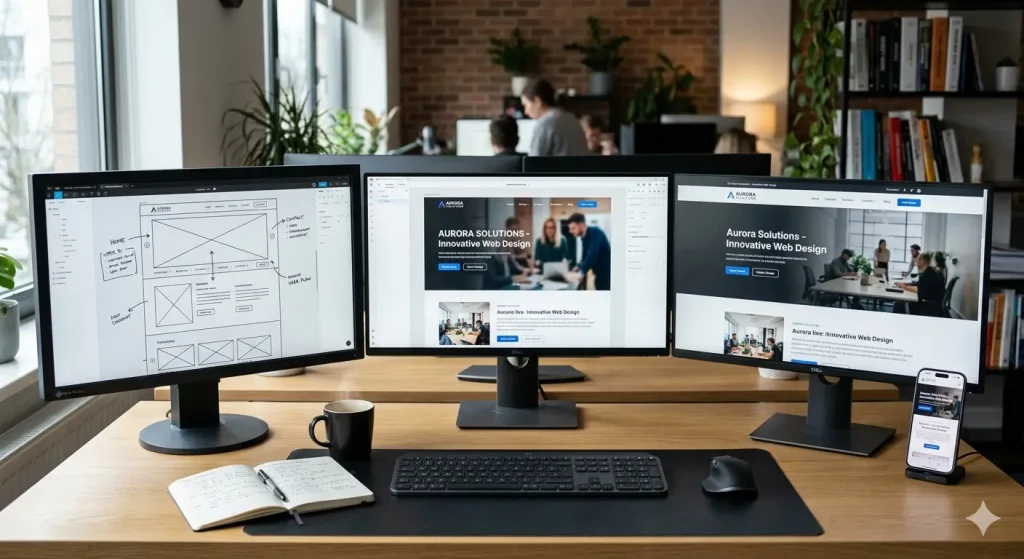
Website development is the process of planning, designing, building, testing, launching, and maintaining a website. It includes the visible parts users interact with, such as layout, images, buttons, pages, and forms. It also includes the technical foundation behind the scenes, such as hosting setup, speed optimization, security, content management, mobile responsiveness, integrations, and search engine structure.
A good website is not built by chance. It is built with strategy.
For example, imagine a small construction company that wants more inquiries from homeowners. A basic website with a few images and a contact number may look acceptable, but it may not generate serious leads. The website needs service pages, location pages, trust signals, testimonials, project galleries, clear calls to action, fast loading speed, mobile-friendly layouts, and SEO foundations.
Now imagine a digital marketing agency that has just signed three clients for website development. The agency has strong branding and sales skills, but its internal team is already busy with SEO, social media, ads, and client communication. Without a reliable development partner, those projects may get delayed. The clients may become frustrated. The agency may lose trust.
That is where professional website development becomes a business advantage.
What Makes Website Development Successful?
Successful website development usually depends on five things:
- Clear business goals
- Strong user experience
- Professional design
- Reliable technical execution
- Long-term support and optimization
A website should not only look good. It should help visitors understand what you offer, trust your brand, and take action. That action may be booking a consultation, requesting a quote, buying a product, filling out a form, calling your team, or downloading a resource.
For agencies, successful website development also means smooth project handover, clean communication, proper documentation, and consistent delivery standards.
Business owners and agencies can learn more about our services to understand how Brayne Digital connects website strategy with broader digital growth.
Why Choose Brayne Digital
Choosing a website development company is not just about finding someone who can build pages. It is about finding a partner who understands business, marketing, branding, technical execution, and customer behavior.
Brayne Digital brings these areas together.
Many developers can build a website, but not every developer understands how website structure affects SEO, how page layout affects conversions, how content supports sales, or how business owners think when they are trying to scale. Brayne Digital approaches website development from a complete digital strategy perspective.
1. Business-Focused Website Strategy
Brayne Digital does not treat every website as the same project. A bakery website, law firm website, construction website, eCommerce store, clinic website, school website, and software company website all need different planning.
Before development starts, the focus is on understanding:
- What the business offers
- Who the target customers are
- What actions visitors should take
- What pages are needed
- What features will support growth
- What competitors are doing
- How the website will support marketing
This matters because a beautiful website without strategy is like a nice-looking store in the wrong location. It may look good, but it will not bring the right results.
Brayne Digital builds websites with purpose. Whether the goal is lead generation, brand credibility, online booking, product sales, portfolio presentation, client onboarding, or partner acquisition, the site structure should support that goal.
You can also explore our website development services to see how professional planning supports better website outcomes.
2. Strong Design with Practical Usability
A website should be clean, modern, and visually appealing, but it should also be easy to use. Some websites look artistic but confuse visitors. Others are loaded with animations, popups, and heavy elements that slow everything down.
Brayne Digital balances design and usability.
For business owners, that means visitors can quickly understand the offer, navigate pages, read important content, and contact the company without frustration. For agencies, it means your clients receive websites that look professional and make sense to real users.
Good website development should consider:
- Clear menus
- Readable typography
- Mobile-friendly sections
- Strong calls to action
- Consistent branding
- Trust-building elements
- Fast-loading layouts
- Easy content updates
The goal is not to impress only the business owner. The goal is to help the customer take the next step.
3. SEO-Ready Website Structure
Search engine visibility starts with the website foundation. If the site is poorly structured, slow, missing key pages, or hard for search engines to crawl, SEO becomes more difficult later.
Brayne Digital understands that website development and SEO should work together from the beginning. This includes clean page structure, proper heading hierarchy, optimized URLs, internal linking, image alt text, metadata planning, mobile optimization, schema opportunities, and content layout.
For a service business, this may include service pages and local landing pages. For an eCommerce store, it may include category structure, product pages, product descriptions, and technical SEO basics. For an agency client, it may include building a site that is ready for future SEO campaigns.
This approach helps businesses avoid one of the most common mistakes: launching a website first and trying to fix SEO later.
Business owners who want long-term search visibility can also review Brayne Digital’s SEO solutions for business growth.
4. Flexible Development Options
Every business does not need the same development stack. Some need WordPress. Some need WooCommerce. Some need Shopify. Some need Laravel or a custom-coded platform. Some need integrations with forms, payments, CRMs, booking systems, dashboards, email tools, or marketing platforms.
Brayne Digital can support different website development needs depending on the project scope.
- Common project types include:
- Business websites
- Corporate websites
- Landing pages
- eCommerce websites
- WooCommerce websites
- Shopify websites
- Portfolio websites
- Booking websites
- Membership websites
- Directory websites
- Custom web applications
- Client portals
- Agency partner projects
This flexibility is especially important for agencies. One client may need a simple service website, while another may need custom functionality, multilingual pages, booking forms, or advanced product variations.
5. Reliable Communication and Project Management
One of the biggest pain points in website development is poor communication. Business owners hate not knowing what is happening. Agencies hate chasing developers for updates when clients are already asking for progress.
Brayne Digital understands this reality.
A reliable development partner should provide clear timelines, task updates, realistic expectations, and professional communication. When challenges come up, they should be explained early. When revisions are needed, they should be handled properly. When a project is ready for review, the client or partner should know exactly what to check.
This is where experience matters. Website projects are not only technical projects. They are communication projects.
Good communication protects trust.
6. Support Beyond Launch
A website launch is not the end. It is the beginning of online growth.
After launch, businesses may need maintenance, security checks, plugin updates, backups, content updates, landing page changes, SEO improvements, speed optimization, analytics setup, or new features. Agencies may need ongoing help with client support, revisions, or additional projects.
Brayne Digital can support websites beyond the initial build. This gives business owners peace of mind and gives agencies a reliable partner for continuous fulfillment.
For companies that need ongoing digital visibility, Brayne Digital also provides search engine marketing support to help turn websites into stronger lead generation assets.
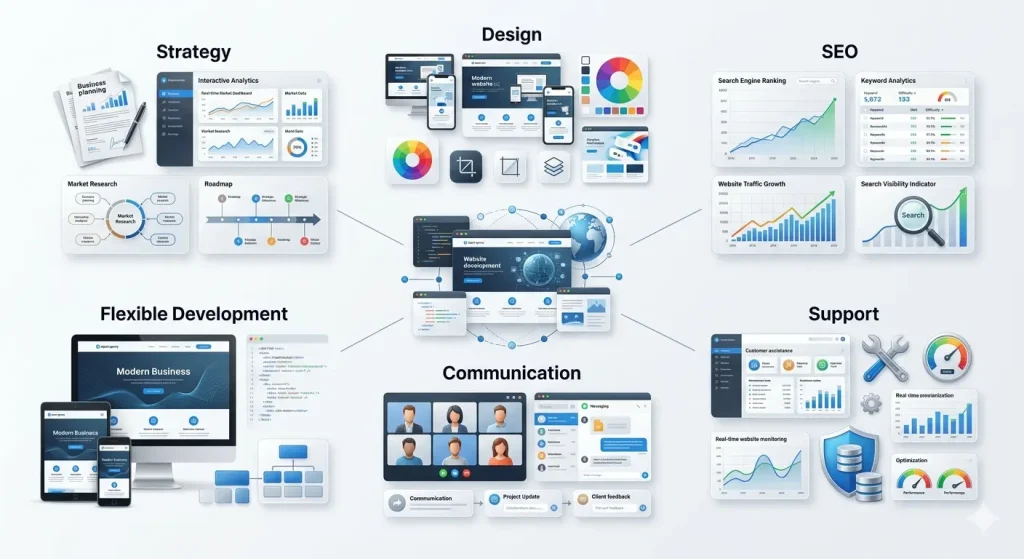
Benefits of White-Label Website Development for Agencies
Agencies know the pressure of growth. Winning clients is exciting, but delivery can become stressful when the workload increases. Designers are busy. Developers are overloaded. Project managers are chasing deadlines. Clients want fast updates. Everyone wants quality.
White-label website development for agencies helps solve this problem.
With white-label support, Brayne Digital works behind the scenes while your agency keeps the client relationship. Your agency can sell website development under your own brand, and Brayne Digital helps with production, technical execution, updates, and delivery.
This is a smart model for marketing agencies, SEO agencies, social media agencies, branding studios, consultants, freelancers, and IT service providers that want to offer website development without building a full internal development department.
1. Scale Without Hiring Full-Time Developers
Hiring full-time developers can be expensive. Salaries, training, management, software, benefits, equipment, and idle time all add up. For many agencies, the workload is not always consistent enough to justify a large in-house team.
White-label website development for agencies gives you access to skilled development support when you need it. You can accept more website projects without worrying about long-term payroll commitments.
This helps agencies scale smarter.
Instead of saying no to projects, you can say yes with confidence. Instead of rushing internal staff, you can assign development work to a reliable partner. Instead of risking quality, you can maintain better delivery standards.
2. Protect Your Brand and Client Relationship
In white-label work, the agency remains the face of the project. Your client does not need to know there is a fulfillment partner unless you want to disclose it. Brayne Digital can work quietly in the background while your agency manages communication, strategy, and account relationships.
This is powerful because agencies work hard to build trust. You do not want to lose control of the client relationship. You want support that strengthens your brand, not competes with it.
With the right white-label website development for agencies, your clients see your agency as more capable, more responsive, and more complete.
3. Improve Delivery Speed
Agencies often lose momentum because projects get stuck in development. A homepage takes too long. Revisions pile up. Mobile responsiveness is delayed. Forms are not working. Hosting setup is incomplete. The client keeps asking for updates.
White-label support can reduce bottlenecks.
When Brayne Digital supports your website development projects, your agency can move faster from planning to design, development, testing, revision, and launch. Faster delivery means happier clients and better cash flow.
It also helps your team focus on what they do best, such as sales, branding, SEO, client strategy, social media, or ads.
4. Expand Your Service Offering
Some agencies specialize in one area. A social media agency may not have developers. An SEO agency may need technical website support. A branding agency may design beautiful mockups but need someone to build them properly. A consultant may have business clients asking for website help.
White-label website development for agencies allows you to expand your service offering without starting from zero.
You can offer:
- Website redesign
- New website development
- Landing page development
- WordPress development
- WooCommerce development
- Shopify development
- Website maintenance
- Speed optimization
- Website migration
- Website support
- Custom functionality
This creates more revenue opportunities from existing clients. A client who trusts you for SEO, ads, branding, or social media may also trust you for website development if you can deliver properly.
Agencies can also connect web projects with social media marketing support to create complete digital packages.
5. Maintain Consistent Quality
Quality consistency is one of the hardest parts of agency growth. One developer may build pages one way. Another developer may use a different structure. A freelancer may disappear. A rushed project may create bugs after launch.
A dependable partner helps standardize delivery.
Brayne Digital focuses on professional layouts, mobile responsiveness, clean structure, website usability, basic SEO readiness, and practical functionality. The goal is not just to finish the project. The goal is to deliver work your agency can be proud of.
For agencies, this protects reputation.
6. Reduce Operational Stress
The truth is simple. Agency owners cannot do everything.
You may be handling sales calls, proposals, client meetings, strategy, invoices, reports, team coordination, and revisions. Adding technical website development on top of all that can become heavy.
White-label website development for agencies reduces pressure. You get a team that can help with execution while you focus on client relationships and business growth.
That is not just outsourcing. That is operational leverage.
Agencies that want to see how Brayne Digital presents completed work can explore our case studies and portfolio.

Brayne Digital’s Website Development Process
A strong process keeps projects organized. Without a process, website development becomes messy. Clients send scattered content, revisions are unclear, deadlines move, and teams lose track of priorities.
Brayne Digital follows a practical process designed to help business owners and agency partners move from idea to launch with clarity.
Step 1: Discovery and Goal Setting
The first step is understanding the project. What does the website need to achieve? Who is the target audience? What pages are required? What features are needed? What problems should the website solve?
For agencies, this may involve reviewing the client brief, sitemap, design files, brand guide, content, and technical requirements.
Step 2: Planning the Website Structure
Before development starts, the structure should be clear. This includes the pages, navigation, call-to-action flow, content sections, forms, integrations, and SEO opportunities.
A clear structure prevents confusion during development.
Step 3: Design and Layout Direction
Depending on the project, Brayne Digital can work from existing designs, brand guidelines, reference websites, or custom layout plans. The focus is to create a clean, professional, and conversion-friendly user experience.
Step 4: Development and Integration
This is where the website is built. It may include WordPress setup, theme customization, Elementor development, WooCommerce setup, Shopify configuration, custom coding, plugin integration, forms, booking tools, payment systems, or third-party connections.
Step 5: Content Upload and Optimization
A website needs content that is clear, persuasive, and easy to scan. Brayne Digital can help structure content sections so visitors quickly understand the offer and know what to do next.
Step 6: Testing and Quality Check
Before launch, the website should be tested across desktop, tablet, and mobile. Forms should be checked. Buttons should work. Pages should load properly. Basic SEO elements should be reviewed. Speed and responsiveness should be considered.
Step 7: Launch and Post-Launch Support
After approval, the website can go live. Post-launch support may include fixing small issues, training the client, updating content, monitoring performance, and planning future improvements.
If your business needs more than a website, you can also explore Brayne Digital’s custom software solutions for platforms, dashboards, portals, and business systems.

Common Website Development Challenges Brayne Digital Helps Solve
Business owners and agencies usually come to Brayne Digital because something is not working.
Maybe the current website looks outdated. Maybe the old developer is no longer responsive. Maybe the website is slow. Maybe the company wants more leads. Maybe the agency has too many client websites to deliver at once.
Here are common problems Brayne Digital helps solve.
Outdated Website Design
An outdated website can make a good business look inactive or unprofessional. Visitors may assume the company is behind the times, even when the service is excellent.
Modern website development helps refresh the brand, improve trust, and make the business look more credible.
Poor Mobile Experience
Many visitors browse from mobile devices. If the website is hard to read, slow to load, or difficult to navigate on mobile, leads can disappear quickly.
A mobile-responsive website is no longer optional. It is basic.
Weak Calls to Action
Some websites do not clearly tell visitors what to do next. Should they call? Request a quote? Book a consultation? Visit the store? Fill out a form?
Brayne Digital helps structure pages with clear calls to action that guide visitors toward conversion.
Slow Loading Speed
A slow website frustrates users and can affect search performance. Speed issues may come from heavy images, poor hosting, bloated plugins, bad scripts, or weak technical setup.
Professional website development considers speed from the start.
Poor Lead Capture
A website should make it easy for visitors to contact the business. Forms, buttons, phone links, chat options, and quote requests should be easy to find and simple to use.
For agencies, better lead capture also makes your marketing campaigns perform better.
Difficult Website Management
Some websites are hard for business owners to update. Every small change requires a developer. That creates delays and extra cost.
Brayne Digital can build websites with manageable backend structures so business owners or agency teams can update key content when needed.
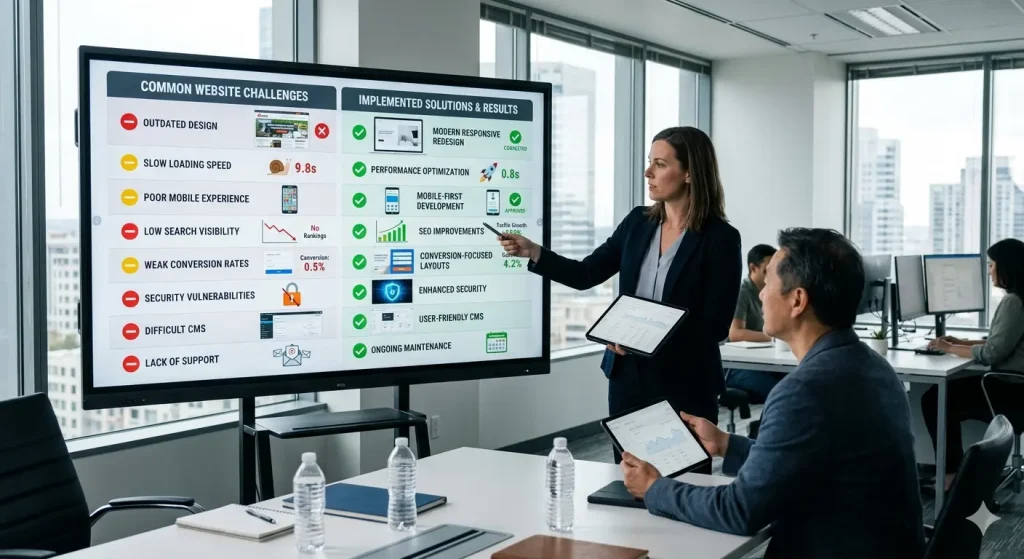
Actionable Tips Before Starting a Website Development Project
Before hiring a website development partner, business owners and agencies should prepare properly. This saves time, reduces confusion, and improves the final result.
For Business Owners
Start by answering these questions:
- What is the main goal of the website?
- Who is your target customer?
- What services or products should be highlighted?
- What makes your business different?
- What pages do you need?
- What actions should visitors take?
- Do you need booking, payment, forms, chat, or CRM integration?
- Who will update the website after launch?
You do not need to have everything perfect before starting. But the clearer your direction, the smoother the project will be.
For Agencies
Before sending a project to a white-label partner, prepare:
- Client brief
- Sitemap
- Branding assets
- Content or content direction
- Design references
- Access details
- Functional requirements
- Deadline expectations
- Revision process
- Communication rules
A good agency workflow protects everyone. Your client gets better delivery, your team stays organized, and your white-label partner can work faster.
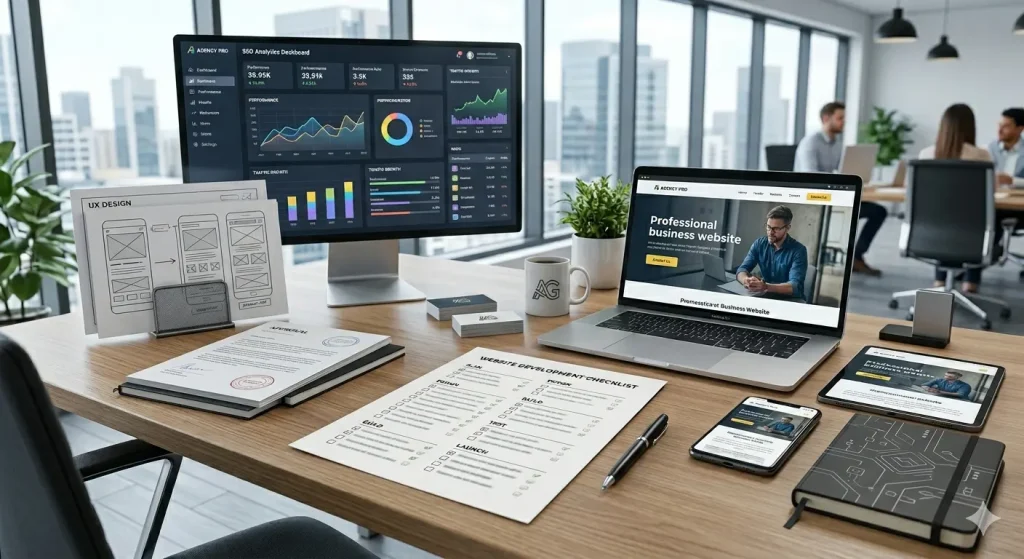
FAQ
What makes Brayne Digital different from other website development companies?
Brayne Digital combines technical website development with digital marketing knowledge. This means websites are planned not only for appearance, but also for SEO readiness, user experience, lead generation, and business growth.
Does Brayne Digital work with agencies?
Yes. Brayne Digital provides white-label website development for agencies that need reliable development support behind the scenes. Agencies can keep the client relationship while Brayne Digital helps with fulfillment.
Can Brayne Digital build WordPress websites?
Yes. Brayne Digital can develop WordPress websites, Elementor websites, WooCommerce stores, landing pages, business websites, and more advanced custom projects depending on the client’s requirements.
What is white-label website development for agencies?
White-label website development for agencies means Brayne Digital helps build websites for your agency’s clients while your agency presents the work under its own brand. It allows agencies to scale without hiring a full internal development team.
Is website development only about design?
No. Website development includes design, structure, functionality, mobile responsiveness, speed, SEO foundations, security, integrations, testing, and long-term support.
How long does a website development project take?
The timeline depends on the project size, content readiness, number of pages, design complexity, features, integrations, and revision process. A simple website can be completed faster, while larger or more advanced websites require more time.
Can Brayne Digital help after the website is launched?
You should see consistent traffic, strong engagement, and steady lead generation. If any of these are missing, there may be a disconnect in your strategy.
Can agencies use Brayne Digital for ongoing development work?
Yes. Agencies can work with Brayne Digital as an ongoing white-label partner for website development, maintenance, landing pages, redesigns, and client support.
Conclusion: Build Better Websites with the Right Partner
Website development is one of the most important investments a business can make. A good website helps build trust, explain services, attract leads, support marketing, and convert visitors into customers. A weak website does the opposite. It creates doubt, slows down growth, and sends potential customers to competitors.
For business owners, Brayne Digital offers practical, professional, and growth-focused website development that supports real business goals. The focus is not just on creating pages. The focus is on building a website that works for your audience, your team, and your long-term digital strategy.
For agencies, Brayne Digital provides white-label website development for agencies that need reliable delivery support without expanding payroll. This gives agencies the power to accept more projects, serve clients better, protect their brand, and scale with less stress.
The truth is straightforward. Your website should not be a burden. It should be an asset.
Whether you are a business owner ready to upgrade your online presence or an agency looking for a dependable development partner, Brayne Digital can help you move forward with confidence.
To start building a stronger digital presence, visit Brayne Digital’s homepage or contact Brayne Digital to discuss your next website development project.
How Graphic Design, Website Development, and SEO Work Together to Generate Leads
Introduction
Many businesses invest in digital marketing but still struggle to generate consistent leads. They may have a professionally designed logo, an active social media presence, or even a functional website. Yet inquiries remain low and unpredictable.
The issue is not the lack of effort. It is the lack of alignment. Graphic design, website development, and SEO are often handled separately, without a unified strategy connecting them.
When these three elements operate in isolation, results are limited. But when they work together, they create a system that attracts, engages, and converts potential customers.
In this article, you will learn how graphic design, website development, and SEO function as a single lead generation engine and what it takes to align them effectively.
The Core Problem: Disconnected Digital Efforts
Design That Does Not Support User Experience
Graphic design is often treated as a purely visual element. Businesses invest in attractive visuals without considering how they influence user behavior.
If design does not guide users or highlight key actions, it fails to contribute to conversions.
Development Without Performance Strategy
Website development is sometimes focused only on functionality. The site may work, but it may not be optimized for speed, responsiveness, or usability.
Poor performance reduces engagement and increases bounce rates, limiting the effectiveness of both design and SEO.
SEO Without Conversion Focus
SEO efforts often prioritize rankings and traffic without considering what happens after users arrive on the website.
Driving traffic to a poorly designed or slow website results in wasted opportunities. Visibility alone does not guarantee leads.
Business Impact: Why Misalignment Reduces Results
When graphic design, development, and SEO are not aligned, the entire system underperforms.
Traffic may increase, but conversions remain low. Users visit the site but leave without taking action.
Marketing costs rise. Businesses spend more on ads to compensate for weak organic performance and low conversion rates.
Brand perception becomes inconsistent. Disjointed visuals and messaging can confuse users and reduce trust.
The result is inefficiency. Effort and budget are invested but returns remain limited.
Solutions: Building an Integrated Lead Generation System
Graphic Design That Guides User Behavior
Effective graphic design is not just about appearance. It is about communication and direction.
Design should highlight key messages, improve readability, and guide users toward specific actions. This includes the use of visual hierarchy, clear layouts, and consistent branding.
When design supports user flow, it becomes a tool for conversion rather than decoration.
Website Development That Enhances Performance
Development ensures that the website functions smoothly and efficiently.
A well-developed website loads quickly, adapts to all devices, and provides a seamless experience. This keeps users engaged and reduces friction.
Performance is critical. Even the best design and SEO strategy will fail if the website is slow or unstable.
SEO That Attracts the Right Audience
SEO brings visibility by connecting your website with users who are actively searching for your services.
This involves keyword targeting, content optimization, and technical improvements that help your site rank on search engines.
However, SEO should focus on quality traffic. The goal is not just to increase visitors, but to attract users who are more likely to convert.
Aligning All Three for Conversions
The real impact comes from integration.
SEO drives targeted traffic to your website. Graphic design ensures that visitors understand your value and are guided toward action. Website development ensures that the experience is smooth and efficient.
When these elements are aligned, the entire system works together to generate leads consistently.
Strategic Insight: A Realistic Business Scenario
Consider a business that invested in SEO and successfully increased its website traffic. Despite higher visibility, inquiries remained low.
After analysis, it became clear that the website design was unclear and the performance was slow. Users were leaving before taking action.
The business then redesigned the website with a focus on user experience and improved its development for faster performance.
With these changes, the same SEO traffic began to convert. Inquiries increased, and the website started to deliver measurable results.
This scenario highlights a key point. Traffic alone is not enough. Conversion depends on how design, development, and SEO work together.
FAQ
Why is graphic design important for lead generation?
Graphic design helps communicate your message and guide users toward action. It improves user experience and builds trust, both of which are essential for conversions.
Can SEO work without a good website?
SEO can drive traffic, but without a well-designed and optimized website, that traffic is unlikely to convert into leads.
How does website performance affect SEO?
Performance affects both rankings and user experience. Faster websites are favored by search engines and keep users engaged.
Should these services be handled together?
Yes, integrating graphic design, development, and SEO leads to better results. Treating them separately often creates inefficiencies.
What is the biggest mistake businesses make?
The biggest mistake is focusing on one area while neglecting others. For example, investing in SEO without improving website design and performance.
How do I know if my current setup is working?
You should see consistent traffic, strong engagement, and steady lead generation. If any of these are missing, there may be a disconnect in your strategy.
Conclusion
Graphic design, website development, and SEO are not separate functions. They are interconnected components of a single system.
When these elements are misaligned, your website struggles to generate leads. When they work together, they create a seamless experience that attracts, engages, and converts users.
For businesses aiming to grow, the focus should be on integration. A website should not only look good or rank well. It should perform as a complete lead generation tool.
By aligning design, development, and SEO, you can transform your digital presence into a reliable engine for business growth.
Signs Your Website Needs a Redesign: What Businesses Should Not Ignore
Introduction
Many businesses hold on to their existing website longer than they should. As long as it is live and functional, it feels like there is no urgency to change it. However, over time, performance declines, user expectations evolve, and competitors improve their online presence.
The problem is that website issues are often gradual. You may not notice the impact immediately, but it shows declining inquiries, lower engagement, and missed opportunities.
A website redesign is not just about updating the look. It is about fixing underlying problems that affect conversions, SEO, and overall business performance.
In this article, you will learn the key signs that indicate your website needs a redesign and what these issues mean for your growth.
The Core Problem: Why Websites Become Outdated
Design Trends and User Expectations Change
What looked modern a few years ago may now feel outdated. Users expect clean layouts, clear navigation, and seamless experiences across devices.
If your website does not meet these expectations, visitors may leave quickly, even if your services are strong.
Technology and Performance Gaps
Older websites often struggle with speed, mobile responsiveness, and technical stability. These issues affect both user experience and search rankings.
As technology evolves, websites need to keep up to remain competitive.
Lack of Ongoing Optimization
Many websites are treated as one-time projects. After launch, they are rarely updated or improved.
Without continuous optimization, the website becomes less effective over time, especially as business goals and market conditions change.
Key Signs Your Website Needs a Redesign
Low Conversion Rates Despite Traffic
If your website receives visitors but generates few inquiries, the issue is likely related to design and user experience.
This often means that your messaging is unclear, calls to action are weak, or the user journey is not well structured.
A website redesign can help align your website with conversion goals and improve results.
Outdated Visual Design and Branding
An outdated design can negatively impact how your business is perceived. Even if your services are high quality, a dated website can reduce trust.
Modern design is not just about aesthetics. It reflects professionalism and credibility.
Poor Mobile Experience
A large percentage of users access websites through mobile devices. If your site is difficult to navigate on smaller screens, you are losing potential customers.
Issues such as slow loading, misaligned elements, and difficult navigation are clear indicators that a redesign is needed.
Slow Loading Speed
Website speed directly affects user experience and SEO. If your pages take too long to load, visitors are more likely to leave.
Performance issues are often caused by outdated development practices, unoptimized images, or inefficient code.
A website redesign can address these technical limitations.
Difficult Navigation and Structure
If users struggle to find information on your website, they are unlikely to stay or take action.
Poor navigation creates frustration and reduces engagement. A well-structured website should guide users naturally toward important pages and actions.
Declining Search Engine Visibility
If your website is losing rankings or failing to appear in search results, it may not be optimized for SEO.
Outdated structures, missing technical elements, and weak content can all contribute to poor visibility.
A website redesign that includes SEO can help restore and improve your rankings.
Inconsistent Branding and Messaging
Over time, businesses evolve, but their websites often do not reflect these changes.
If your messaging, services, or branding are inconsistent, it can create confusion and reduce trust.
A website redesign ensures that your website accurately represents your current business.
Business Impact: What Happens If You Ignore These Signs
- Ignoring the need for a redesign can limit your business growth.
- Lead generation is becoming less effective. Even with increased traffic, conversions remain low.
- Customer perception weakens. An outdated or poorly performing website can create doubts about your credibility.
- Marketing efforts have become less efficient. Paid ads and SEO may drive traffic, but without a strong website, results are limited.
- Over time, competitors with better websites gain an advantage, capturing the attention and trust of your potential customers.
Solutions: What a Strategic Website Redesign Should Include
Conversion-Focused Design
A redesign should prioritize user experience and lead generation. This includes clear messaging, structured layouts, and strong calls to action.
The goal is to guide users toward taking action, not just to present information.
Performance Optimization
Improving speed, responsiveness, and technical stability is essential.
A high-performing website keeps users engaged and supports better search rankings.
SEO Integration
SEO should be built into the redesign process. This ensures that your website is optimized for visibility and aligned with what your target audience is searching for.
Clear and Consistent Branding
Your redesigned website should reflect your current brand identity and messaging.
Consistency across all pages builds trust and strengthens your overall presence.
Alignment with Marketing Strategy
Your website should support your broader digital marketing efforts.
Whether you are using SEO, paid ads, or social media, the website should be ready to convert the traffic these channels generate.
Strategic Insight: A Realistic Scenario
Consider a business that noticed a steady decline in website inquiries despite maintaining similar levels of traffic.
After analyzing the situation, it became clear that the website was outdated, slow, and difficult to navigate. The messaging no longer aligned with the company’s current services.
After a strategic redesign, the website was restructured with a focus on user experience and conversions. Performance issues were resolved, and SEO was integrated.
Within a few months, engagement improved and inquiries increased. The website redesign addressed not just the appearance, but the underlying issues affecting performance.
FAQ
How often should a website be redesigned?
Most websites benefit from a redesign every two to three years, depending on changes in technology, design trends, and business goals.
Can small changes replace a full redesign?
Minor updates can help, but they may not address deeper issues. A full redesign is often necessary for significant improvements.
Will a redesign affect my SEO?
If done correctly, a redesign can improve SEO. However, improper changes can negatively impact rankings, so it should be handled strategically.
How long does a website redesign take?
The timeline varies based on complexity. It can range from a few weeks to several months.
Is redesigning expensive?
Costs depend on the scope and strategy. However, a well-executed redesign can provide strong return on investment through improved conversions.
What is the biggest risk of not redesigning?
The biggest risk is stagnation. Your website may continue to lose effectiveness, leading to fewer leads and reduced competitiveness.
Conclusion
A website redesign is not just about keeping up with trends. It is about ensuring that your website continues to support your business goals.
The signs are often clear. Low conversions, outdated design, poor performance, and declining visibility all indicate that your website is no longer effective.
By addressing these issues through a strategic redesign, you can transform your website into a high-performing asset that attracts, engages, and converts potential customers.
For businesses that want to grow, the decision is not whether to redesign, but when to act before opportunities are lost.
Your Vision Deserves To Stand Out.
Every industry has its own challenges and opportunities. Talk to our team about how the right website, SEO, and digital strategy can support your business goals.